
Noob to Pro in 15 Minutes - Age of Mythology
by Team Respawn· ~3 min read
Age of Mythology: Retold — Noob to pro (quick tips)
This is a short, dense skill guide for Age of Mythology: Retold aimed at new players (with some value if you knew the legacy game). I treat it as a checklist for economy, map awareness, and production habits rather than a full build-order walkthrough.
Villagers and economy
- Always train villagers. Auto-queue at the town center is supported on PC and console and is effectively the default—still, I double-check the TC because canceling a villager breaks auto-queue until you turn it back on.
- Idle villagers hurt you. After a build or gather task finishes, the villager may sit doing nothing unless you reassign it. PC has an idle villager hotkey; console will likely offer a similar “jump to idle” affordance.
- Auto-tasking / villager priorities can auto-assign gather types and even drop-offs, but I watch it: changing priorities mid-build can make a villager abandon a house or range (I have chased “missing” buildings because of this).
Relics
- In Retold, relics are randomized permanent buffs (not the same role as in AoE II / AoE IV gold-and-convert relics). Hover to read the effect—examples include extra line of sight, more carry capacity, or legacy-style perks like animals spawning at the temple on a timer.
- Any hero can pick up a relic and return it to your temple (not priest-only like some Age titles). I scout relics early and prioritize pickups when I have a hero free; you can steal relics by destroying an enemy temple.
Military production
- More production buildings = more parallel training. One barracks trains one unit at a time; several train several at once if you can pay for it.
- I put all barracks (or ranges, stables, etc.) on control groups and select the group once: the game distributes queued units across buildings in the selection. When I add buildings, I re-add them to the group so new production is included.
Water and food
- On large water, I build a dock and fishing boats early. That stacks with TC villager production—two economic units at once. Fish may be slower than in AoE IV in practice, but it still frees villagers from food to push wood, gold, or (as Greek) temple worship for favor.
Civs, map, and adaptation
- Match gather plans to your civ. Example I use: Greeks skew food and gold over wood early—so I line up aging and military around that, not a generic default order.
- I consciously choose: fast age with fewer early units vs early military or map control—and I react if the opponent is aggressive (e.g. delay second TC, add walls, or counter units) instead of blindly running the same build every game.
Teams
- In team games, call out what I see—aggressive player, risky fast age, need to stop a push—so the group picks a plan that fits our civs.
Trade
- Traders run market → allied town center (not market–market like AoE IV). Longer routes = more gold but more exposure; late game I plan trade as mines empty. Some players rush traders—it is a big upfront cost with delayed payoff (risk/reward).
Town centers and population
- Extra TCs on settlement sites raise population cap and let me pump more villagers from multiple TCs—effectively a large eco multiplier if I can secure the sites.
Army size vs upgrades
- Mass often beats small upgraded armies in Age titles (I draw the same lesson from games like Halo Wars). Upgrades still matter; the takeaway for me is opportunity cost: gold/food spent on blacksmith lines is gold/food not spent on more units or more production. I do not delay upgrades forever—I balance production spikes with tech timing.
Scouting
- The starting scout is for herding (herdables do not follow the scout like in AoE IV—I path them home) and for intel: where they take resources, proxy production near my base, etc. That information drives what I build and how greedy I can be.
Learning the game
- Civs diverge more here than in AoE II / AoE IV—I expect to spend time in campaign or skirmish learning one main civ, counters, and a comfortable build. Post-match stats are useful for diagnosing wins and losses; early frustration is normal if I treat each game as a lesson.
Keep reading
Related by topic — chronological neighbors are below.
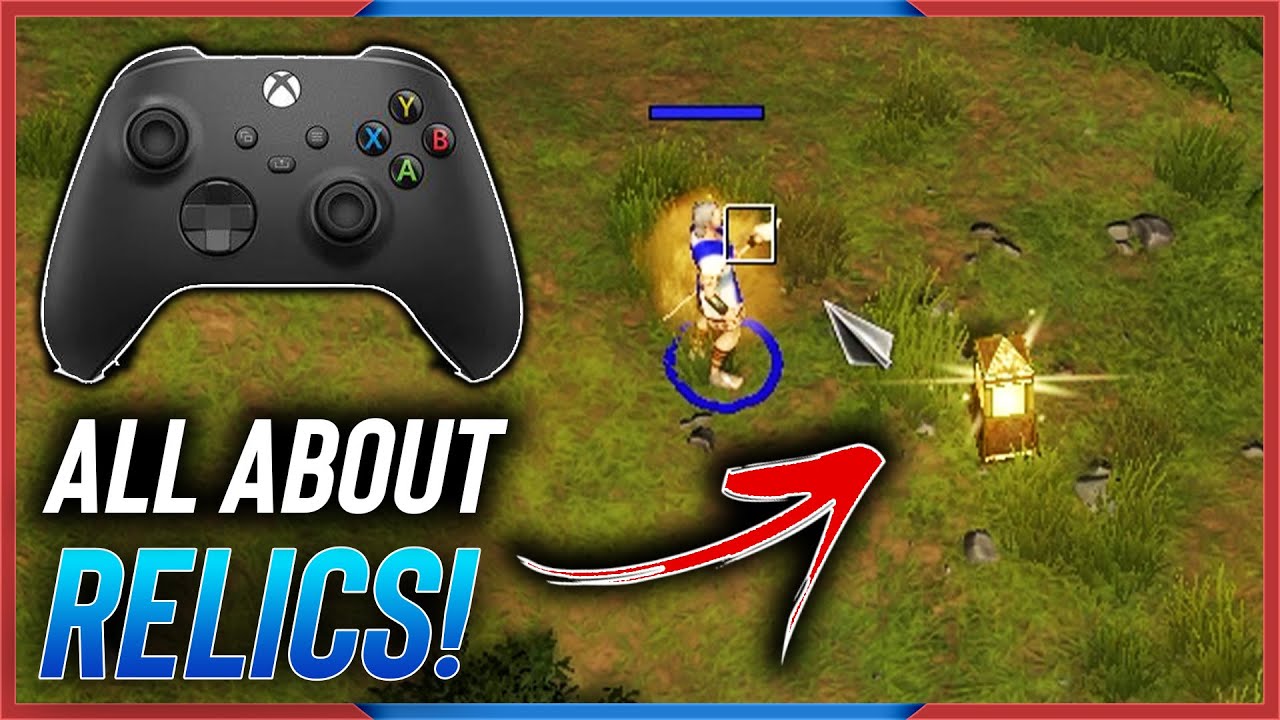
Age of Mythology: Retold — Relic Guide
Guides
Age of Mythology Retold relic guide: how relics differ from other Age games, scouting and prioritizing them, and console UI tips for new players.
Age of Mythology Retold relic guide: how relics differ from other Age games, scouting and prioritizing them, and console UI tips for new players.
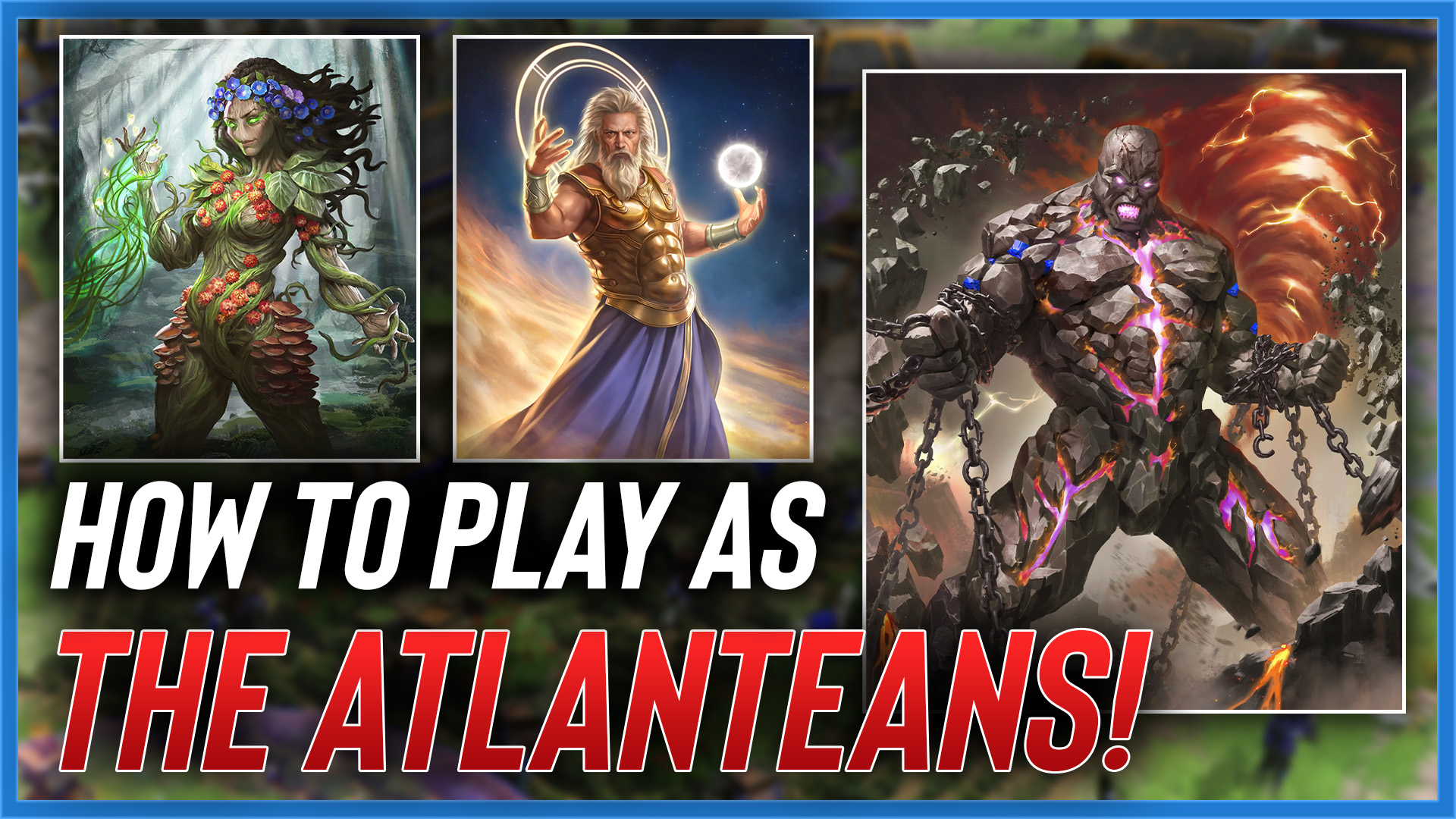
Atlanteans Guide - Age of Mythology
Guides
A guide for the Atlantean civilization in Age of Mythology.
A guide for the Atlantean civilization in Age of Mythology.
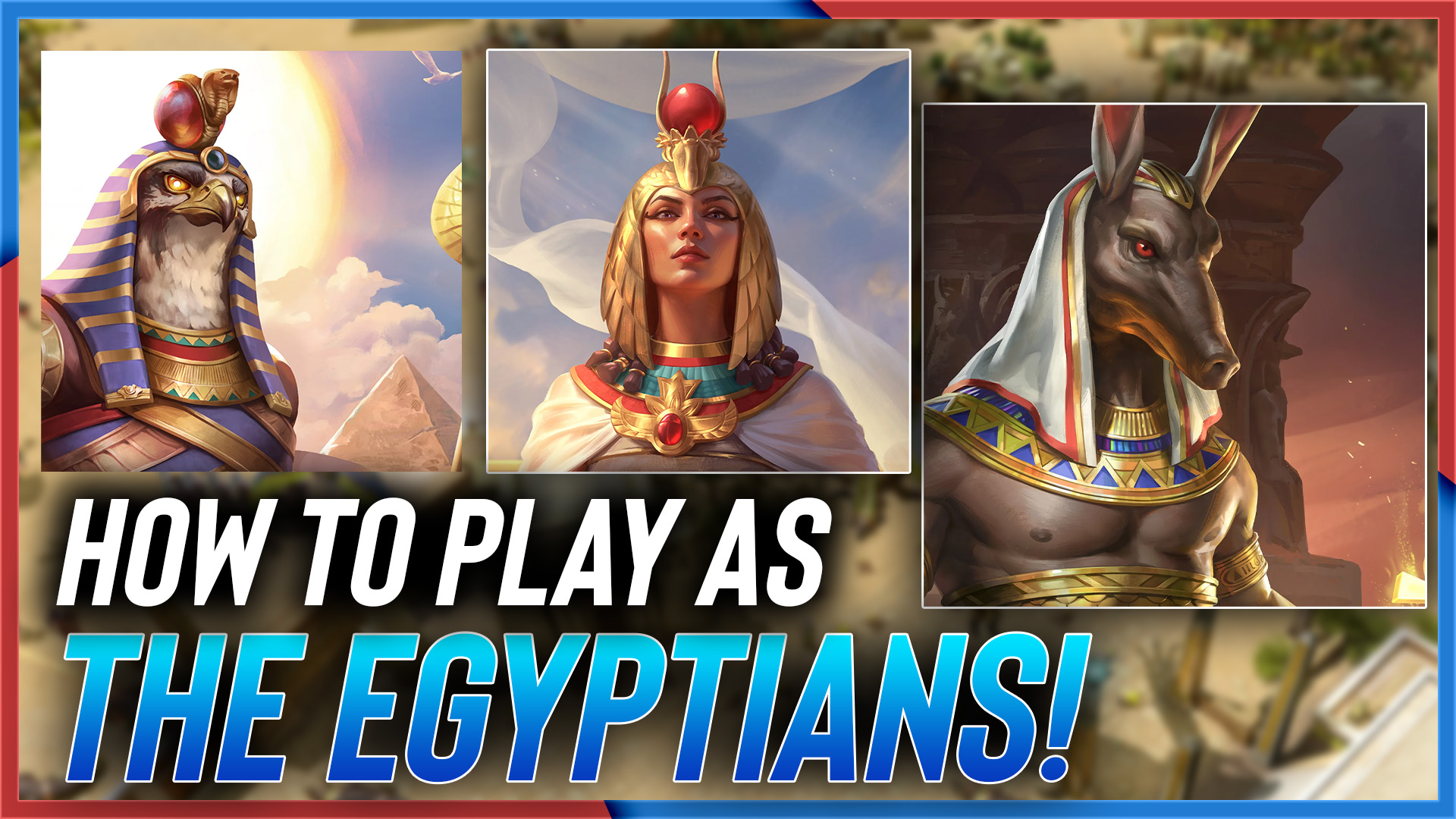
Egyptians Guide - Age of Mythology
Guides
Egyptians AoM Retold guide: pharaoh economy, monument favor, priest mechanics, barracks-to-stronghold military scaling, and beginner build orders on Xbox.
Egyptians AoM Retold guide: pharaoh economy, monument favor, priest mechanics, barracks-to-stronghold military scaling, and beginner build orders on Xbox.
About the Author

Team Respawn
Team Respawn creates guides, walkthroughs, and strategy content for RTS games like Halo Wars 2, Age of Empires, and Age of Mythology.